Dobermanns are one of those breeds that really make you raise your game as a dog owner. They’re sharp, intense, intelligent, dramatic and stubborn. There’s a lot to get right when it comes to Dobies, like training, enrichment and manners, and one of the best ways to do this is with their treats and chews. If a treat isn’t worth their attention or if a chew isn’t going to last a long time, they’re almost pointless.
Getting treats and chews right for a Dobermann matters more than it does for a lot of breeds. Not because they’re difficult, but because they’re clever, switched-on, independent thinkers. What you give them has a real impact on how training goes, how they settle at home, and how well their enrichment needs are actually being met.
We’ve had our Dobermann, Archie, since we rescued him at eight months old, and we’ve learned a lot along the way. He’s the reason Cloud K9 exists. A lot of what’s in this guide comes from working out what actually works for Archie (and many other Dobermanns) and what doesn’t.
About the Dobermann
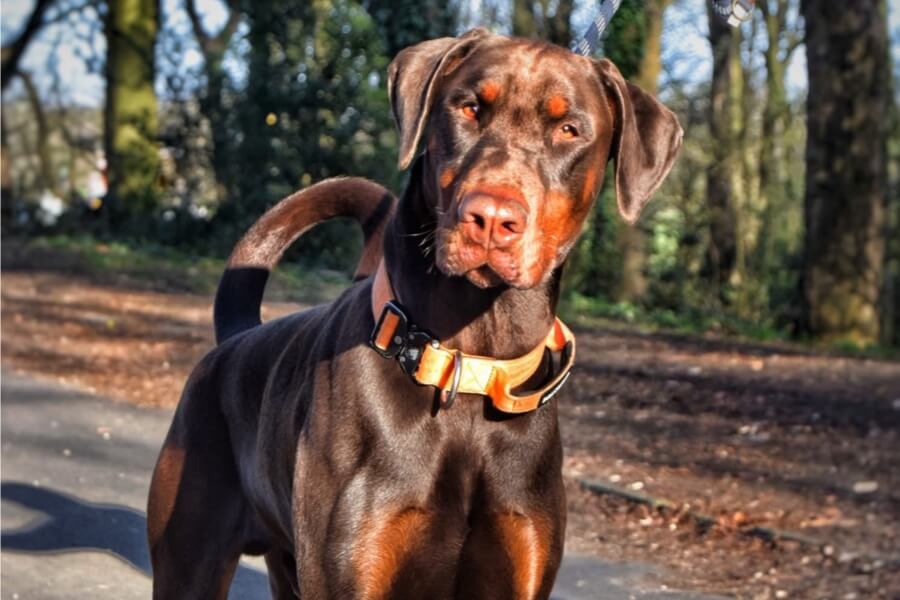
The Dobermann is a medium to large working breed. Male Dobermanns typically weigh 40 to 45kg and females around 32 to 35kg. They’re a lean and muscular guardian breed with a strong bite. Dobermanns were originally bred by Karl Friedrich Louis Dobermann, a German tax collector who needed an intimidating, highly intelligent, and loyal companion to protect him during his work. Those traits are still very much there in today’s Dobermanns.
They aren’t the most destructive chewers in the world compared to mastiffs, bully breeds, and other large working dogs. But engagement matters a lot with this breed. They need a chew that keeps them interested and engaged, not just one that takes a long time to get through.
A few health things worth knowing before we get into treats.
DCM (dilated cardiomyopathy) is one of the biggest concerns for Dobie owners. Dobermanns have one of the highest rates of DCM of any breed (our Dobermann Archie was diagnosed with DCM at the age of two). Studies in European dogs put the cumulative prevalence at around 58%, which is shockingly high. It’s a genetic condition and typically shows up in middle to older age but it can show up at any age unexpectedly. Regular cardiac screening is one of the most important things Dobie owners can do, and it’s best to start around two years old. It’s worth mentioning here because it’s important for any Dobermann owner to be aware of it, and recent studies suggest that DCM may be diet-related in some cases.
Around 5% of Dobermanns are affected by cervical spondylomyelopathy (wobbler syndrome). It’s a condition that compresses the cervical spinal cord and causes an unsteady gait. It’s one of the more common reasons Dobermann owners start thinking about joint-supporting nutrition, and chews that naturally contain glucosamine and chondroitin are worth factoring in for this breed.
Digestive sensitivity is another thing to think about. Not every Dobermann is sensitive when it comes to different foods, but the breed can be prone to it. Single-ingredient chews with no fillers or additives are the safest choice, so you know exactly what they’re eating.
Weight is important for every Dobermann. They’re a lean breed, and they should stay that way to stay healthy. Treats and chews need to be factored into daily calories, especially for less active dogs.
What to Look for in Treats and Chews for a Dobermann
When training, you really need high-value training treats if you want to make any progress with training a Dobie. Dobermanns are clever and aware of everything happening around them. They’re independent thinkers who will test boundaries. A low-value treat made mostly of cereals and only 4% real meat isn’t going to cut through that during a training session. You’re going to need something with a strong smell and real taste, something they actually want badly enough to focus on you and learn behaviours.
When it comes to enrichment and chewing, a dental stick made of grains just won’t cut it here. Durability is really important for chewing enrichment to last long enough. A chew that’s gone in ten minutes isn’t going to do much for this breed. Dobermanns have high enrichment needs, and the breeds that benefit most from long-lasting chews tend to be working and guardian breeds with active minds. A proper chew session can make a real difference to how a Dobermann settles at home at night and after walks.
Simple, natural ingredients are the best thing to look for. For a breed with known digestive sensitivity, the shorter and cleaner the ingredient list, the better.
As a large breed, joint support is important. Given the Wobbler syndrome predisposition and the size of the breed, chews that are naturally rich in glucosamine and chondroitin are important in their regular treat and chew rotation.
Best Treats and Chews for Dobermanns
High-Value Training Treats
Training is probably the most demanding and rewarding part of owning a Dobermann, and because of that, we need every advantage we can get to make it easier for us and clearer for our dogs.
Small, soft, and strongly scented is what you want from a training treat; it needs to be high value. You want something your Dobermann genuinely wants, not just something they’ll accept.
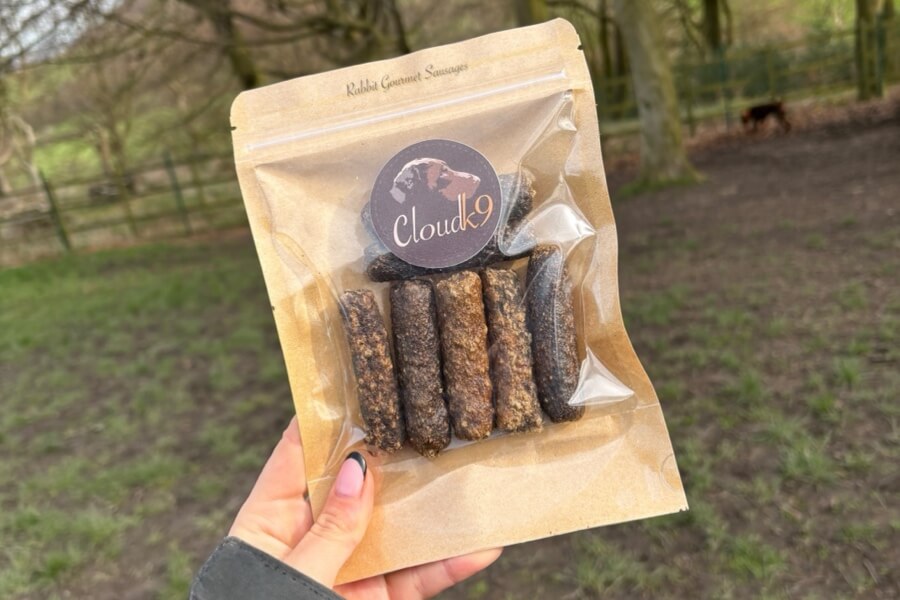

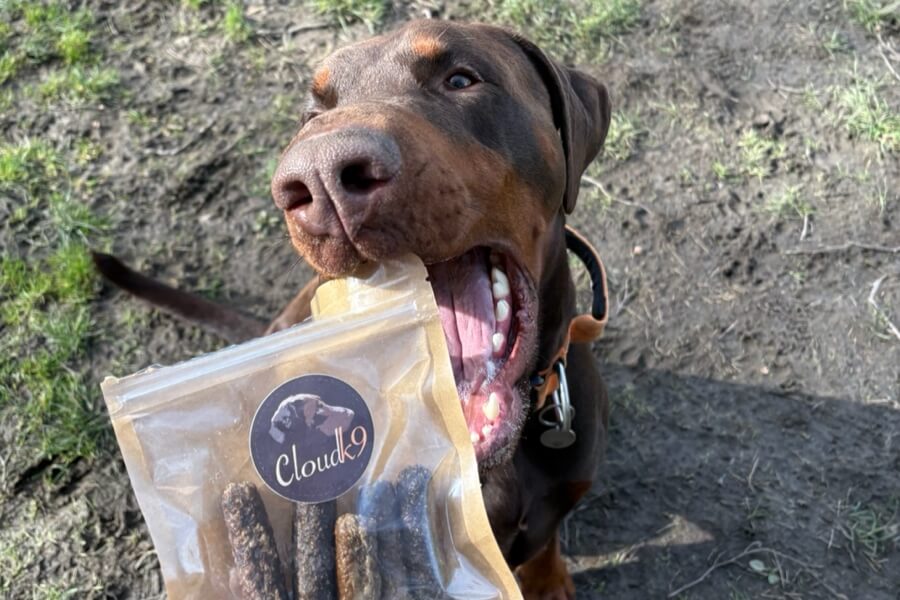
Soft meat-based treats work best because the smell gets their attention before they’ve even tasted anything. Our venison gourmet sausage slices and rabbit gourmet sausages are high-protein, strongly scented, and easy to break into small pieces for quick reward training. Venison in particular tends to hold a Dobermann’s interest well. It’s a novel protein that most haven’t had much of, which keeps the novelty working in your favour.
For a breed that tests boundaries, a treat they’re genuinely excited about is a training tool in itself.
Yak Chews
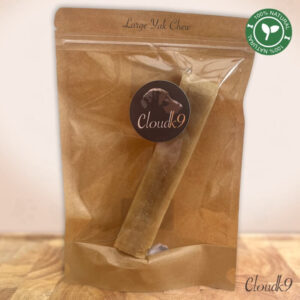
The first time we gave Archie a Yak chew to try, he spent most of the day chewing it. He absolutely loved it, and after nearly a full day of chewing, there was still some left. For a Dobermann that needs to be properly occupied, a yak chew is one of the best things going. They’re natural and made from dried yak and cow milk, salt and lime juice, making them hard and long-lasting. Even the toughest chewer will typically spend hours chewing a Yak Chew, and they can even last for a good few weeks.
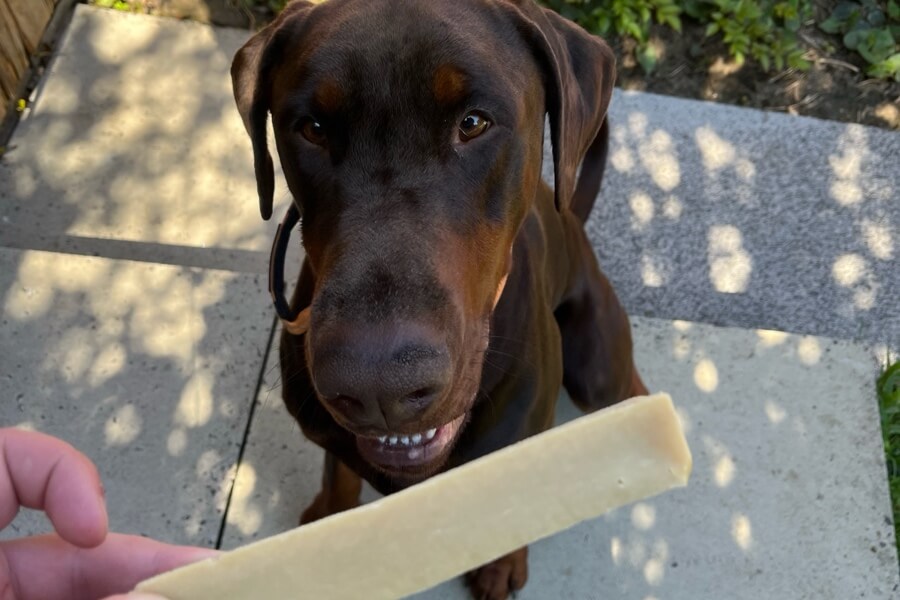
Another big plus with Yak Chews is that they’re virtually odourless, which matters if you’re giving them indoors.
Bonus tip: When the chew gets down to a small nub, you can microwave it for 30 to 60 seconds to puff it up into a much softer piece. Read our full guide on why Yak Chews are good for dogs.
Our Large Himalayan yak chew is a good size for most Dobies. The density is exactly what this breed needs from an enriching chew. Something that genuinely focuses rather than being gone in a few minutes.
Ostrich Bone
Ostrich bones are known to be one of the safest bones available for dogs to chew because of their structure. Unlike a traditional beef marrow bone, ostrich bone has a honeycomb interior. When a dog chews it, the outer layer gradually peels, and the interior crumbles into small, safe, digestible pieces rather than fracturing into sharp pieces.

For a Dobermann, it works well for a few reasons. They are strong chewers with a bite force of 305 PSI, and the outer layer of an Ostrich bone is hard enough to require real effort, which keeps them interested. And as a novel protein, ostrich tends to hold a dog’s interest more than proteins they are more familiar with.
It’s also very low in fat, and again, like a Yak Chew, they are virtually odourless, which makes it one of the more practical bone chews to use indoors. Our ostrich bone is a good size for any large breed that loves a good chew. As with any chew, take it away once it’s worn down to a piece small enough to swallow whole.
Beef Moon Bone
A beef moon bone is a large flat piece of beef cartilage. They are dense and naturally rich in glucosamine and chondroitin. This is perfect for a Dobermann because glucosamine is a natural compound that helps build and maintain cartilage, lubricate joints, and support mobility in dogs. It is widely recommended by veterinarians to help with any stiffness, support senior dogs, and it helps to protect the joints of highly active breeds like Dobermanns.
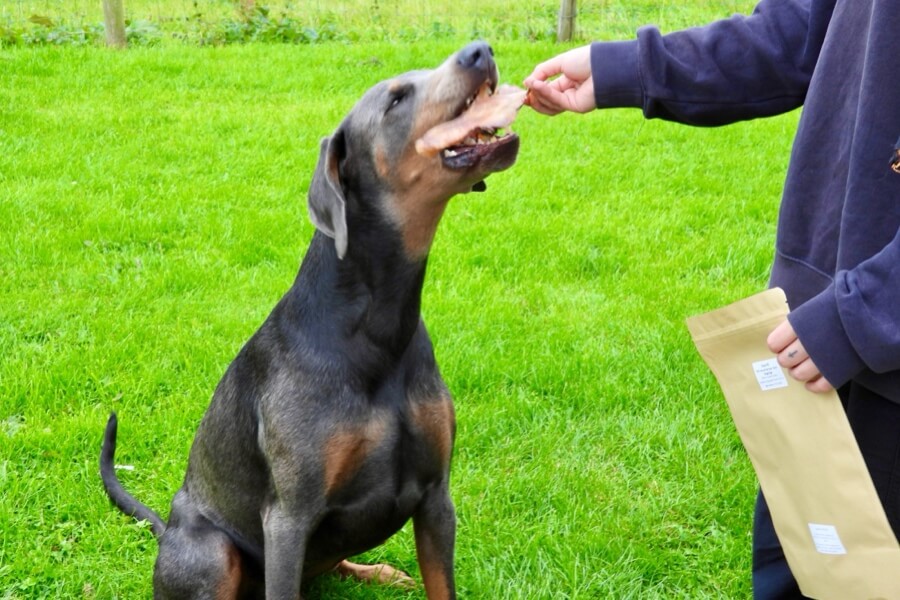
The cartilage texture differs from that of bones. It compresses and softens as the dog chews it rather than splintering, making it a safer option than weight-bearing bones. Our beef moon bone is a perfect size for a large breed and tends to keep Archie busy for more than half an hour.
Why Dobermanns Need Long Lasting Chews
Dobermanns are a natural guardian breed. They’re alert, they’re constantly looking out of the window and listening for sounds, which means their minds don’t switch off easily.
That intensity is part of what makes them amazing dogs, but it also means their enrichment needs are higher than most other dog breeds.
Exercise on its own isn’t enough for a Dobermann to be happy and fulfilled. A Dobermann can be physically tired after a few hours of walking in a day, but without any mental enrichment, they still can be very wound up. And an unfulfilled Dobie can be a proper handful. They’ll pace around the house, bark and chew things that they shouldn’t.
A proper long-lasting chew is a perfect way to address their mental enrichment needs. The focus required to work through a yak chew or an ostrich bone for an hour produces a kind of mental tiredness that a walk simply can’t. A dog that’s had a good chew session tends to settle more easily and stay out of trouble at home.
Archie is the perfect example of this. Before his DCM diagnosis, we’d take him for really long walks and training sessions, and after, at home, he’d still be looking for something to do. But after a long walk and a good chew session, he’d be so much more relaxed.
Treats to Avoid for Dobermanns
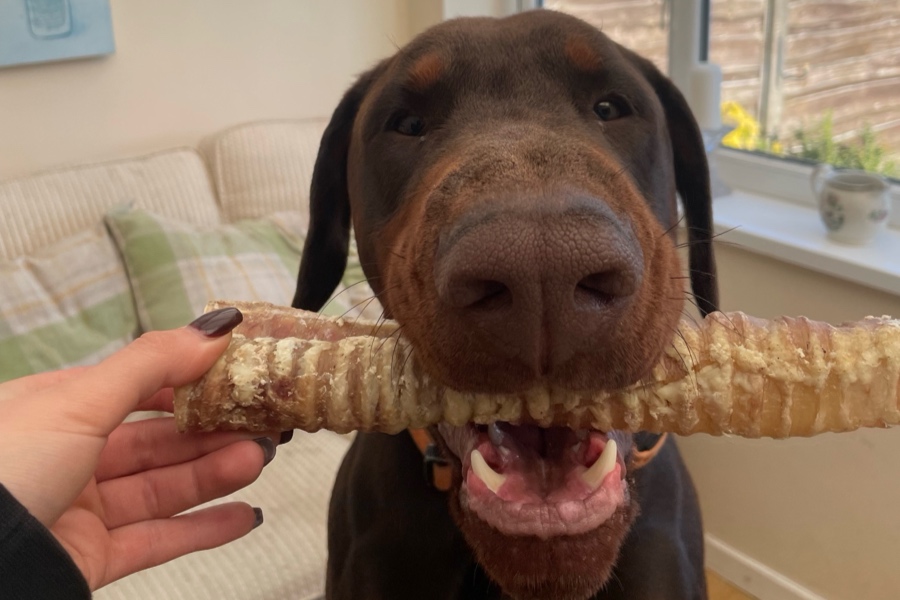
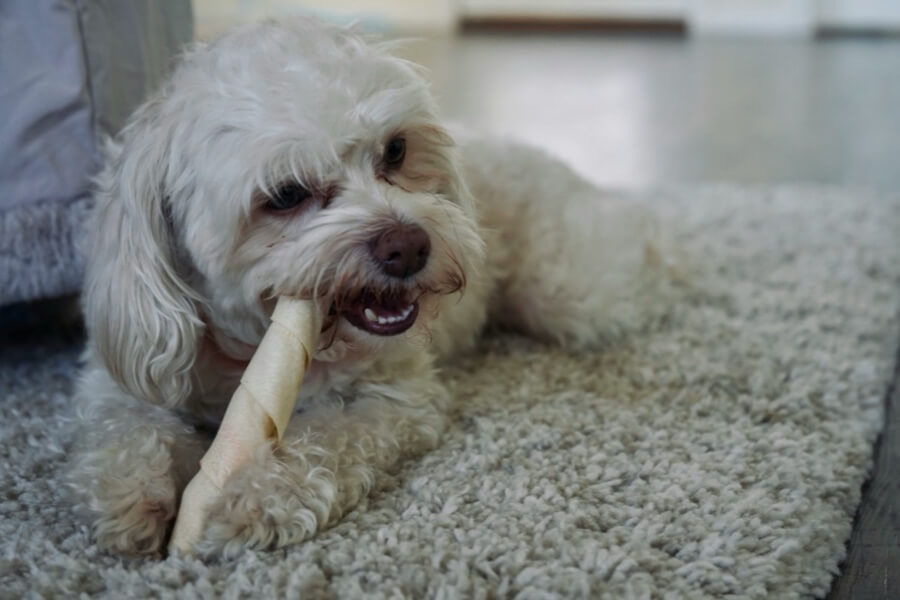
If you’re going to avoid any chews, rawhide is the one. Rawhide isn’t safe for any dog, but for a breed that can be prone to digestive sensitivity and with a strong bite force, it’s not a good choice. It’s a choking risk, it’s hard to digest, and it’s often chemically processed. They might last a long time, but there are far better options than rawhide that are safe and actually good for your dog.
Avoid cooked bones, as they are prone to splintering. The cooking process changes the bone structure and makes it brittle under pressure. Raw or properly air-dried bones are a much safer choice with less risk, but anything cooked should not be given to any dog.
Heavily processed treats with artificial additives are a big no. Artificially flavoured treats often contain ingredients that offer no nutritional value and can cause digestive upset in sensitive dogs. The simpler the ingredient list, the better. Especially when it comes to training, if your dog is having lots of treats in training sessions, they should be healthy.
Small chews are also a risk for large breeds like Dobermanns. A chew that fits entirely in their mouth is a potential choking hazard, so always try to get the largest size available.
Treats and food high in peas and legumes. This one is worth paying attention to because, as mentioned before, DCM is very common in Dobermanns. There have been studies investigating a potential link between diets high in peas, lentils, and other legumes and cases of diet-related DCM in dogs.
How Many Treats Should You Give a Dobermann?
The standard guideline across all dog breeds is that treats should make up no more than 10% of your dog’s daily calorie intake.
For a typical adult Dobermann, daily calories should be between 1500 and 2000 calories, depending on size, age, and activity level. That gives a treat allowance of around 150-200 calories per day. A long-lasting chew a few times a week, alongside small training treats daily, fits nicely within this range for most Dobermanns.
Use our dog calorie calculator to work out your dog’s specific daily needs and factor treats in properly.
Frequently Asked Questions
Small, soft, and strong smelling meat treats are what you need to get the most out of your training sessions. Dobermanns are clever and easily distracted by everything going on around them, so the treat has to be genuinely high value to cut through that. Low-value treats made mostly of cereals won’t get you far. Soft meat-based treats in novel proteins like venison or rabbit tend to work really well.
Not in the same way as mastiffs or bully breeds, but they are purposeful and engaged chewers who need something that keeps their interest. The bigger concern with Dobermanns isn’t chewing power, it’s keeping them mentally occupied for long enough. Yak chews, ostrich bone, and beef moon bones are all long lasting chews that do that job well.
Chews that are naturally high in glucosamine and chondroitin are worth including regularly. Cartilage-based options like beef moon bones are a good source of both. Glucosamine helps build and maintain cartilage, lubricate joints, and support mobility. Always follow your vet’s guidance on managing any specific condition.
Exercise alone isn’t enough for a Dobermann. They can come back from a long walk still looking for something to do. Mental enrichment through chewing, training, and problem-solving is just as important as physical exercise. A proper chew session can make a real difference to how settled they are at home.
No. Rawhide isn’t safe for any dog. It’s a choking risk, hard to digest, and often chemically processed. There are far better options that are actually good for your dog.
Yes, with the right sizing and supervision. Softer options like beef trachea pieces are suitable from around 6 months. Harder chews like yak and ostrich bone are better suited to adult dogs with fully developed teeth, generally from around 12 months. Always supervise any puppy with a chew.
If you’re still not sure where to start, our treat finder quiz will help you find the perfect chews based on your dog’s size, age and dietary needs. Or you can browse the full range and go from there.
Everything at Cloud K9 is made with quality UK-sourced ingredients, no additives, no fillers and never any rawhide. We’re rated 84% Excellent by All About Dog Food, and, most importantly, with Archie as our chief treat tester, we’re definitely Dobermann approved.
Cloud K9 was created for dog owners who want the best for their dogs. If it’s not natural or good for your dog, it’s not Cloud K9. Our chews and treats are made from real ingredients, naturally prepared, and never packed out with fillers or additives.
Whether you’re looking for something tasty to use for training sessions, a long lasting chew to keep them busy, or support with dental care, take a look at our natural treats and chews chosen to help dogs live their best.