
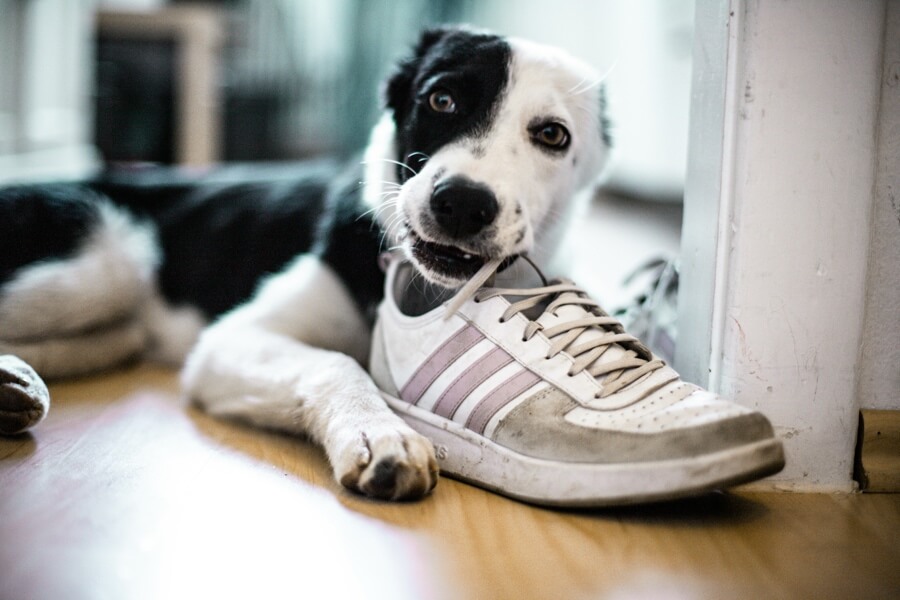
Dogs love to chew; it’s part of their natural instincts, and it can be a great way for them to relax and be mentally enriched at home.
And chewing isn’t really a problem until it is… and they’ve chewed the wrong thing, and you come home to a chunk missing from the sofa arm, a shredded cushion all over the living room floor or even worse, your favourite pair of trainers totally destroyed.
It’s frustrating, and it can get very expensive for us dog owners when our dogs chew on the wrong things. A £1000+ sofa ruined, a £100 pair of trainers in pieces, the TV remote in bits, and now you’re stuck watching The Chase on repeat.
But the important thing here is your dog isn’t chewing these things to wind you up. They’re not being naughty on purpose to ruin your day (and your bank balance). It’s happening because you have a dog whose needs aren’t being fully met, and destroying things around the house is an easily accessible outlet for them.
In this guide, we’ll show you why your dog’s destructive behaviour happens, and how you can stop it, with simple, practical ways to keep your dog settled, mentally enriched and out of trouble at home.
Understanding Why Dogs Need to Chew
Chewing isn’t a behaviour problem; it’s just something dogs do, and it’s something they have and always will need to do.
Dogs love to chew things, and it’s a huge part of what their natural instincts tell them to do.
They have a biological need, hardwired into them, and it’s in every dog regardless of their breed or age.
Naturally, some dogs will chew more than others. For example, a Dobermann or a Labrador will have a much bigger instinct to chew than a Shih Tzu. But all dogs at some point will chew things.
It comes from their ancestors. In the wild, dogs chew to strip meat from bone, to keep their jaws strong, and to manage stress. That instinct doesn’t disappear just because your dog lives in a semi-detached house, has a comfy bed to sleep on and gets fed twice a day from a bowl.
When a dog chews your skirting boards or the bannister, they’re not being naughty; they’re just doing it to satisfy their natural need to chew, to entertain themselves, and to release any built-up energy they have.
In a lot of cases, all the things your dog has destroyed are simply the result of some of your dog’s needs not being met.
Why Your Dog Is Being Destructive at Home
Before you can actually fix the problem and save things in your house from being chewed, you need to understand what’s causing it in the first place.
We find that in most cases, destructive behaviour doesn’t just come out of nowhere. There’s always a reason behind it, and usually it comes down to one or more of these:
Boredom and Lack of Mental Stimulation
Dogs need more than just a walk and a bowl of food to feel properly settled (especially working breed dogs and dogs with naturally higher drives). They need to use their brains every day, too. Enrichment is a huge part of your dog’s daily needs. If you’re not new to dog enrichment check out our enrichment guide to keep your dog entertained.
You can have a dog that’s physically tired, but mentally, they’re still looking for something to do. And if you haven’t given them that outlet, they’ll go and find one themselves, and if they haven’t got something they’re allowed to chew, they usually find something you’d rather they didn’t.
Unmet Chewing Instincts
This is a common one that most people don’t think about.
Chewing isn’t just something puppies do; it’s something all dogs need to do regularly to satisfy their instincts. Chewing helps dogs to relax, reduces stress and gives them something to focus on.
If that outlet isn’t there, their urge to chew doesn’t just disappear. It gets redirected onto whatever’s available, furniture, skirting boards, shoes or just about anything.
Teething (Especially in Puppies)
If you’ve got a puppy, this is a big one.
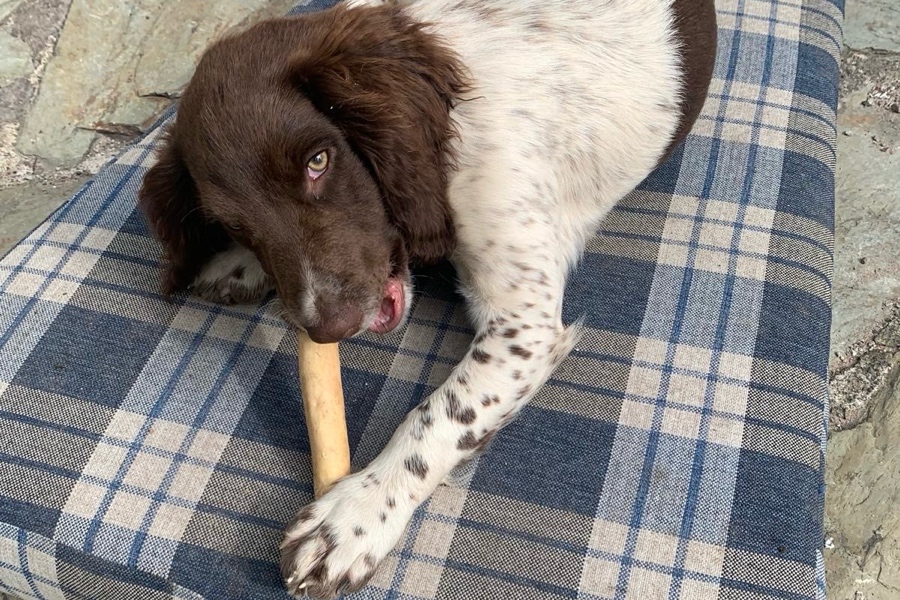
Between three and six months, they’re teething, and it can be uncomfortable. Chewing helps relieve that. The problem isn’t the chewing itself, it’s what they choose to chew.
Which means age matters. Before you hand over any chew, it’s worth checking what puppies can safely have.
Excess Energy
A dog with too much energy and nowhere to put it is always going to find a way to burn it off.
If they haven’t had enough physical exercise or the right kind of stimulation, that energy builds up. And when it does, it usually comes out as digging, chewing, or destroying things around the house.
Stress or Anxiety
Chewing can also be a way for dogs to self-soothe and regulate their emotions.
Just like people might pace or fidget when they’re stressed, dogs will often chew to calm themselves down. If there’s something making them anxious, whether that’s being left alone, changes in the dog’s routine, or general nervousness, destructive chewing can often be a go-to coping mechanism rather than just boredom.
How to Actually Stop Destructive Chewing
This is where most advice gets it wrong. The way you want to think of it is to fix the problem and not just make it harder for your dog to chew things.
Moving things out of reach, blocking off rooms, spraying stuff with deterrents… might stop destructive behaviour sometimes, but it doesn’t actually really fix what’s going on.
And it’s not a fair solution for the dog. The best fix is to get to the root of the problem and find a real solution.
And if that need isn’t properly met, it’ll come out somewhere else, sooner or later.
The reality is, a dog whose needs are properly met every day isn’t constantly looking for things to destroy. Not because they’ve been “taught not to”, but because they don’t need to.
That’s what you want to aim for.
And it really comes down to three things.
Physical Exercise
This one’s straightforward but worth saying… your dog needs enough physical exercise for their breed, age, and energy level. For example, a Spaniel that gets one twenty-minute walk a day is not a Spaniel with its needs met. All breeds have different exercise and enrichment needs, and it’s really important to know what your dog actually needs.
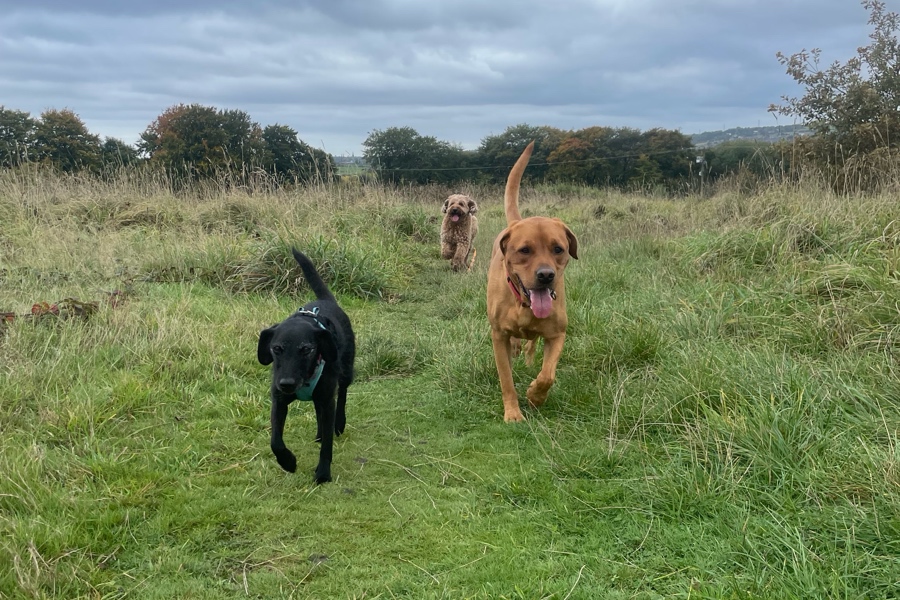
A properly tired dog is a much calmer dog. Getting this part right makes everything else much easier.
Mental Stimulation
Mental exercise is just as important as physical exercise in a lot of breeds, and most dogs don’t get anywhere near enough of it. Training sessions, sniff walks, scatter feeding, puzzle feeders, problem-solving, breed-specific outlets, and chewing all count.
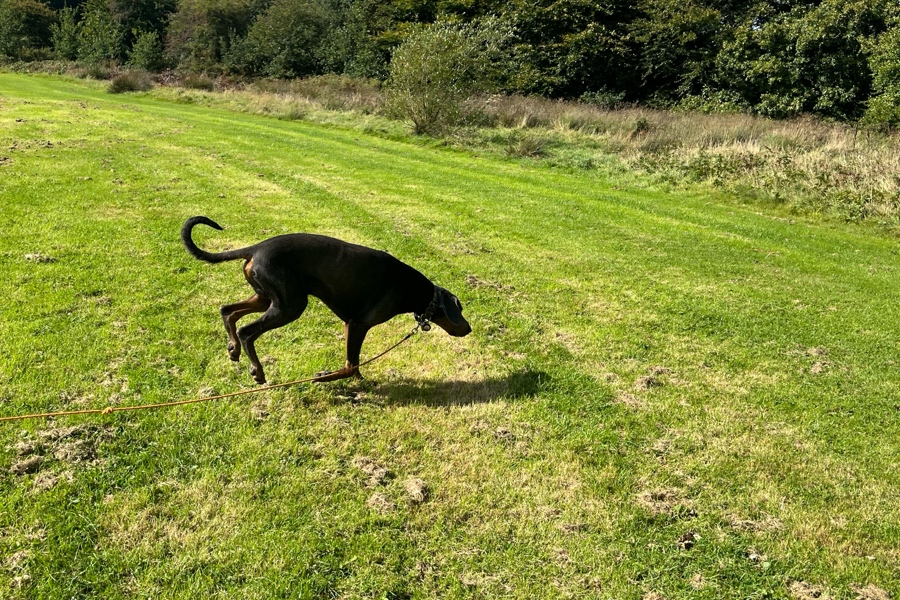
Here’s the part worth knowing: mental stimulation is more tiring than physical exercise. A 30-minute training session can easily tire a dog out much more effectively than an hour’s walk. If your dog comes back from a run and is still restless ten minutes later, their brain hasn’t worked hard enough.
Daily Chewing Time
This is the one that helps the most in a lot of cases, actually meeting your dog’s need to chew.
Most dog owners think of chews as treats, something you give occasionally, as a reward or a distraction. But for dogs, chewing isn’t a treat. It’s a daily biological need, and it’s as fundamental to their well-being as exercise and mental health.
A dog that gets a proper chew session every day, as part of their normal routine, is a dog with a healthy outlet for one of its strongest instincts. That dog doesn’t need to chew the door frame when they’ve been chewing on a Yak Chew or an Ostrich Bone for an hour. Their urge to chew has already been satisfied.
What makes a good chew? Look for something natural, single-ingredient, and durable enough to last. Long-lasting chews and natural dental chews like buffalo horn, yak chews, or Beef Moon Bones give dogs something to get their teeth stuck into. The chewing action itself releases those endorphins and lowers cortisol levels. A chew like a processed dental stick that is gone in thirty seconds doesn’t do the same job.
It’s also important to make sure what you’re giving your dog is actually safe. For example yak chews are a safe natural chew whereas something like rawhide is a processed and chemically treated chew that is best avoided.
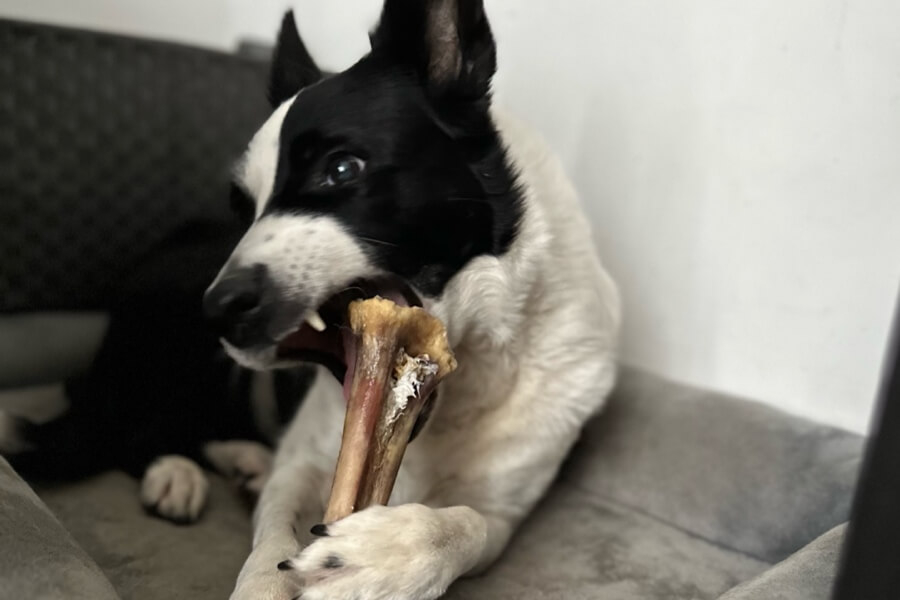

What to avoid: rawhide. It’s a choking hazard, it’s heavily processed like a lot of supermarket dog treats and chews, and it’s not what you want your dog ingesting. There are far better options that are safer and more satisfying for the dog.
Always supervise your dog while chewing and choose appropriate sizes for your dog’s breed and chewing strength.
At Cloud K9, our long-lasting natural chews are single-ingredient, air-dried, and chosen specifically because they satisfy the chewing instinct rather than just distract from it. No rawhide, no additives, no nasties.
Chewing releases endorphins and helps reduce stress in dogs, which is why it’s such an important daily outlet.
When to Speak to a Professional
If you’ve genuinely worked on exercise, mental stimulation, and daily chewing, and the destruction is still happening, it’s worth speaking to a qualified dog behaviourist.
Persistent destructive behaviour can sometimes point to something deeper, like separation-related anxiety or compulsive behaviour, that needs a proper assessment rather than a management strategy.
There’s no shame in asking for help. Some dogs need more than routine changes, and a professional can make a huge difference.
Frequently Asked Questions
Destructive behaviour usually comes from unmet needs rather than a dog being naughty. Common causes include boredom, lack of mental stimulation, not having an appropriate outlet for chewing, excess energy, teething in puppies, or stress and anxiety.
The most effective way is to meet your dog’s needs properly. Focus on enough physical exercise, daily mental stimulation, and providing a consistent outlet for chewing. When these needs are met, dogs are far less likely to look for things to destroy.
Yes, chewing should be part of a dog’s daily routine. It is a biological need that helps reduce stress, release endorphins, and give dogs a proper outlet for their natural instincts. Regular chewing can significantly reduce destructive behaviour.
The best chews are natural, single-ingredient, and long-lasting. Options like yak chews, buffalo horn, or other durable natural chews give dogs something to properly engage with and satisfy their urge to chew, unlike quick treats that are gone in seconds.
Final Thoughts
From working with dogs and speaking to owners, this is something we see all the time.
At the end of the day, your dog isn’t trying to wreck your house.
They’re just trying to do what dogs do, chew, explore, burn off energy, and settle themselves in the ways they know how naturally.
When that need isn’t properly met, it comes out in ways you don’t want.
But when it is met consistently, every day, things start to change.
They settle more easily. They stop looking for things to destroy. And you don’t have to constantly manage or worry about what they’re going to get hold of next.
At Cloud K9, we focus on natural, long-lasting chews that actually satisfy a dog’s chewing instinct, rather than just distracting them.
Cloud K9 was created for dog owners who want the best for their dogs. If it’s not natural or good for your dog, it’s not Cloud K9. Our chews and treats are made from real ingredients, naturally prepared, and never packed out with fillers or additives.
Whether you’re looking for something tasty to use for training sessions, a long lasting chew to keep them busy, or support with dental care, take a look at our natural treats and chews chosen to help dogs live their best.

