
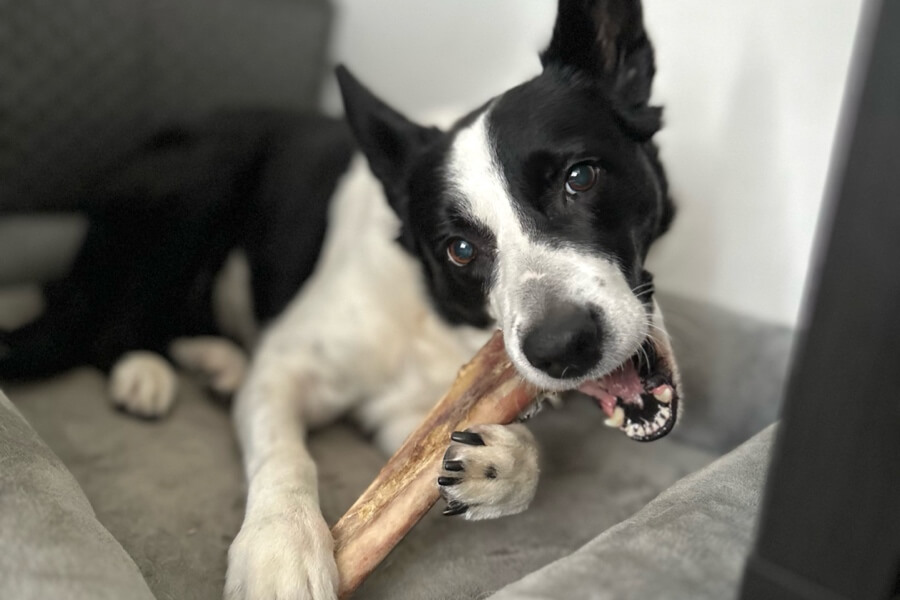
Chewing is so much more than a nice treat. For a dog, it’s more like a basic need, like food, walks and sleep. It’s a natural instinct that they all have, and it’s really important for their physical and mental wellbeing that their chewing needs are being met.
Puppies chew to soothe sore gums while they’re teething.
Adult dogs chew to self-soothe and settle, keep their jaws active, their teeth cleaner, and their minds busy.
If you take that much-needed outlet away, most dogs will find their own things to chew, usually your skirting boards or a favourite pair of shoes, or it can come out in many different unwanted behaviours, even if you don’t realise they’re happening.
Dogs love to chew, and there are so many benefits to making sure their chewing needs are being met. Here are the 7 signs your dog could really do with more to chew.
1. Your Dog Is Chewing Things They Shouldn’t
Furniture legs, cushions, skirting boards, shoes, the TV remote. When a dog has no proper outlet, their chewing instinct quickly gets redirected onto whatever you’ve got lying around the house.
Puppies and adult dogs both do it, and it often spikes in the evening when the day winds down but their energy hasn’t.
A proper long lasting chew gives them somewhere to put that drive that isn’t your sofa. Giving your dog long lasting chews is one of the best ways to help with any destructive behaviour your dog has.
2. Your Dog Can’t Settle, Even After a Walk
Mental enrichment is just as important as physical exercise for your dog. If they’re not getting enough mental enrichment, like chewing, they’ll often pace the room, move from one bed to another, and get up and lie down again regularly.
A physically tired dog doesn’t always mean they have a tired mind.
Mental stimulation matters just as much as physical exercise. When a dog’s brain is under-worked, they will look for a job, and chewing is one of the simplest jobs you can hand them.
If you’re unsure about how much exercise and enrichment your dog needs, take a look at our guide.
3. Your Dog Won’t Stop Begging
Some breeds are very food motivated to start with (Labradors, we’re looking at you). But there’s a difference between loving meals, treats and chews and never being satisfied by it.
A dog that stares at you at every meal, hoovers up all their treats in seconds and still seems to want more may be short of something to work at.
A long-lasting chew scratches that itch without the extra calories a bigger meal would add. If you’re not sure where your dog sits on daily intake, our dog calorie calculator can help you find out what works for your dog.
4. Plaque, Tartar or Bad Breath
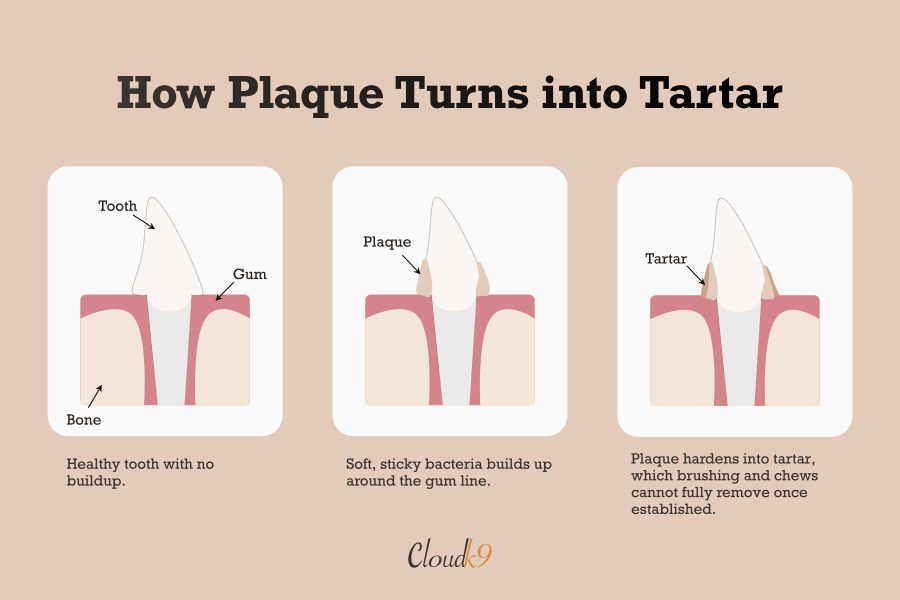
Dental health is a huge part of your dog’s overall health. If your dog has yellow and brown buildup along the gumline, or breath that clears a room, both point to plaque turning into tartar.
Chews are a great way to support your dog’s dental care routine, and in a way they’ll actually enjoy. The abrasive action when they chew helps reduce plaque buildup and slow tartar formation, keeping their mouth healthier. Not every dental product available lives up to the claims on the packet though, so it’s worth knowing what actually works for your dog’s dental health before you choose one.
When chewing becomes a part of their regular routine, you’ll start to notice that cuddles on the couch with your dog are much more pleasant when they don’t have bad breath!
It’s important to be aware that chews won’t reverse established dental disease, and they’re no replacement for a proper check with your vet. Used regularly, though, they’re a great way for keeping teeth and gums in healthy shape.
5. Your Dog Loses Interest in Toys Fast
If you’re constantly buying your dog a new toy and they get bored with them after 5 minutes, this is a sign that your dog needs more to chew.
This usually happens because they don’t offer the same satisfaction as something they can properly work at. A long lasting chew holds their attention much longer because it takes real effort, which is exactly what a bored or understimulated dog needs.
6. Mouthing, Nibbling or Licking
Nibbling at your hands, mouthing you during play, or licking the furniture (or themselves) far more than usual. Dogs use their mouths to explore and self-soothe, so a bit of this is normal, but when it’s noticeably more than usual, it’s often a sign they’re looking for an outlet they’re not getting elsewhere.
Sometimes it’s attention-seeking, sometimes it’s genuinely them trying to settle themselves down. Either way, giving them a proper chew to redirect that energy towards is a much better outcome than your hands, your sleeves, or the sofa cushions taking the brunt of it.
If the licking or mouthing carries on even after you’ve offered a chew, it’s worth keeping an eye on, since it can occasionally point to something else going on rather than just a lack of chewing.
7. Your Puppy Is Teething
Between around three and six months old, your puppy’s adult teeth start pushing through, and their gums get sore. Everything goes in their mouth during this stage, your fingers, the furniture, whatever they can get hold of, because chewing helps relieve that discomfort.
This is completely normal, and it’s not something you want to try and stop. The goal is to redirect it towards something safe and suitable for a puppy’s smaller, developing mouth rather than your favourite trainers.
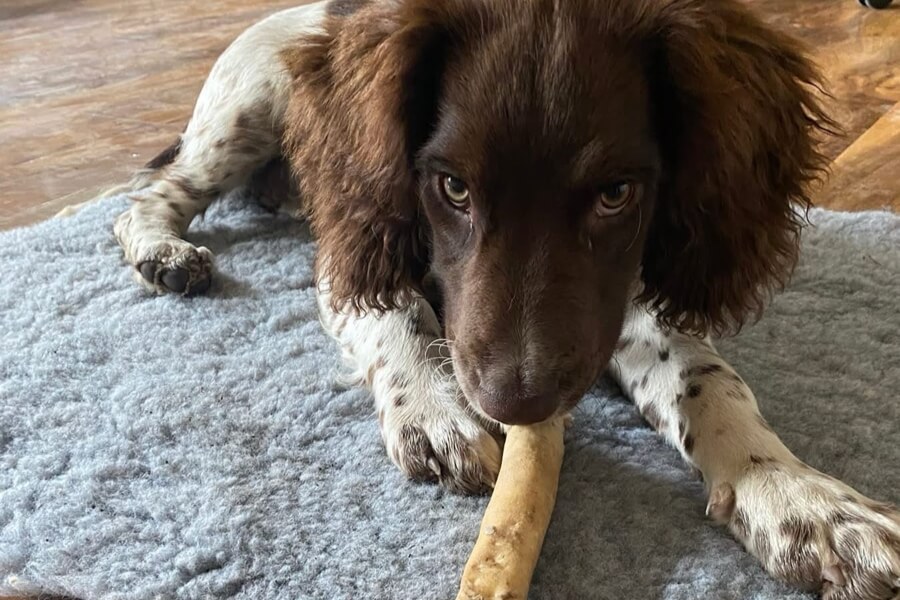
Getting your puppy onto the right chews early also helps set them up with good chewing habits for life, so it’s worth investing time into this stage rather than just riding it out.
For more information about which chews you can give to your puppy, check out our guide about which treats puppies can have. Or take a look at our range of natural puppy treats.
Frequently Asked Questions
The usual signs are chewing things they shouldn’t, restlessness even after a long walk, and constantly begging for food. One of these on its own might not mean much, but if you’re noticing two or three together, it’s a good sign it’s time to add more regular chews for enrichment into their routine.
Most dogs should chew in supervised sessions of around ten to thirty minutes. Take the chew away once they’re losing interest or the piece gets small enough to be a choking risk, and remember that chews count towards their daily food intake too.
Very likely, especially if they’re between three and six months old. Give them puppy-safe chews to redirect all that new energy, and if the chewing ever seems too much or they seem to be in pain, it’s worth a check with your vet.
Final Thoughts
Chewing shouldn’t be a special occasion for a dog or just something they do when you remember. It’s a really important part of their natural instincts and can have a huge positive impact on their behaviour.
Chewing helps your dog stay calm, occupied and relaxed day-to-day.
If you’re noticing any of the signs above, whether that’s a shredded pair of shoes, restless evenings, or a puppy going through teething, it usually just means their chewing needs aren’t being fully met yet. The good news is it’s one of the easiest things to put right.
Make chewing a proper part of your dog’s routine, not just an occasional treat, and you’ll likely notice the difference in their behaviour fairly quickly.
Cloud K9 long lasting chews are single-ingredient, natural, and rated Excellent by All About Dog Food. We’ve got long lasting chews to suit all sizes, ages and breeds. If your dog’s showing any of the signs above, there’s no better time to get your dog chewing more.
Cloud K9 was created for dog owners who want the best for their dogs. If it’s not natural or good for your dog, it’s not Cloud K9. Our chews and treats are made from real ingredients, naturally prepared, and never packed out with fillers or additives.
Whether you’re looking for something tasty to use for training sessions, a long lasting chew to keep them busy, or support with dental care, take a look at our natural treats and chews chosen to help dogs live their best.

