
Puppy teething is a normal part of growing up. All puppies go through it, and as a puppy owner, you’re in for three or four months where nothing seems safe from being chewed!
During teething, those sharp little puppy teeth gradually fall out and are thankfully replaced by a much larger, less needle-like set of permanent adult teeth.
Between tender gums, an even stronger urge to chew than usual and exploring the world with their mouths, it can be a difficult time for both you and your puppy.
In this guide, we’ll look at what happens when puppies teethe, when it starts and finishes, the signs to watch for and how you can help them through it.
When Do Puppies Start Teething?
Puppies are actually born without visible teeth. Their first baby teeth, also known as deciduous or milk teeth, start coming through at around three weeks old.
This is their first teething phase, and by around six to eight weeks old, most puppies have a full set of 28 baby teeth.
The teething stage you’ll experience as an owner comes a little later, when those baby teeth start falling out to make way for their permanent adult teeth.
This usually begins at around three to four months old, as the adult teeth develop underneath and start pushing through.
Most puppies have their full set of adult teeth by around six months old, although some can continue coming through until around seven months.
Puppy Teething Timeline
Every puppy develops slightly differently, so don’t worry if yours doesn’t follow an exact timeline.
A typical teething timeline looks something like this:
Birth to 3 Weeks
- Puppies are born without visible teeth.
- Baby teeth are developing under their gums.
3 to 6 Weeks
- The puppy’s deciduous milk teeth start erupting.
- The incisors and canine teeth usually appear first, followed by the premolars.
- By around six to eight weeks old, most puppies have their full set of 28 baby teeth.
3 to 4 Months
- Your puppy’s first baby teeth will start to become loose and fall out.
- Permanent adult teeth begin pushing through underneath them.
- The small incisors at the front of the mouth are usually some of the first teeth to be replaced by adult teeth.
4 to 6 Months
- This is often the most noticeable period of teething.
- More baby teeth are lost, and permanent incisors, canines, premolars, and molars continue to appear.
- You may notice considerably more chewing during this period.
Around 6 to 7 Months
- Most puppies now have their full adult set of teeth.
- An adult dog normally has 42 adult teeth, compared with the puppy’s 28 baby teeth.
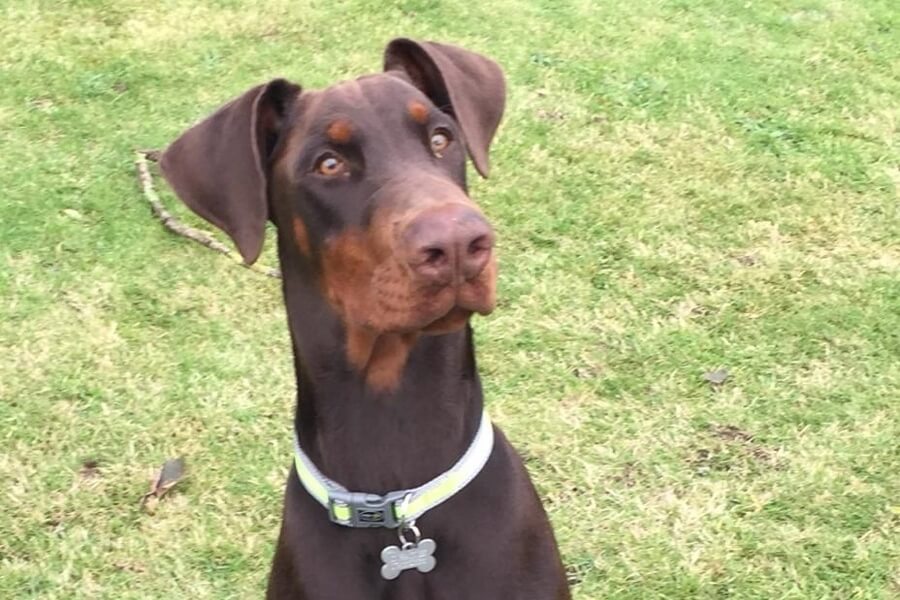
Do Puppies Lose All Their Baby Teeth?
Yes, puppies normally lose their full set of 28 baby teeth as they’re replaced by adult teeth.
During teething, you might find tiny puppy teeth on the floor, in their bed or stuck in a toy or chew, or even your TV remote!
But you also might never find a single one. Puppies often end up swallowing their baby teeth while eating or chewing, and this is generally harmless.
What Are the Signs of Puppy Teething?
If you’re lucky, your puppy might be relatively unbothered by teething, but others can become little chewing machines for months until their adult teeth have fully come through.
Common signs of teething can include:
- Chewing more frequently
- Searching for things to chew
- Increased mouthing during play
- Tender or sensitive gums
- Mild drooling
- Occasionally finding a puppy tooth
- Small spots of blood on a toy or chew
- Being slightly more reluctant to chew harder food
- Seeming a little irritable because their mouth is uncomfortable
A tiny amount of bleeding when a baby tooth falls out can be perfectly normal, so don’t worry if you occasionally notice a small spot of blood on a toy or something they’ve been chewing.
However, heavy or regular bleeding, significant swelling or obvious pain aren’t typical signs of normal teething and should be checked by your vet.
Does Puppy Teething Hurt?
Unfortunately, yes. Teething can cause soreness and discomfort for your puppy as their new adult teeth come through.
As permanent teeth develop underneath the gums, the roots of the baby teeth gradually break down and are absorbed by the body, allowing them to loosen and eventually fall out.
At the same time, the new adult teeth begin pushing through the gums, which can leave them feeling tender and sensitive.
Chewing can help soothe this discomfort, which is one reason your puppy might suddenly want to chew almost anything in sight.
If your puppy seems very uncomfortable, refuses food, cries when you touch their mouth, has significant swelling or seems generally unwell, speak to your vet.
Why Do Teething Puppies Chew So Much?
Teething isn’t the only reason your puppy wants to chew everything.
Chewing is completely normal behaviour for puppies. They use their mouths to explore objects, investigate different textures, interact with other dogs and people, and learn about the world around them.
Teething gives them another reason to chew, especially when their gums are feeling tender.
It’s a natural behaviour for dogs, so rather than trying to stop your puppy from chewing altogether, it’s much better to give them appropriate things they are allowed to chew.
The aim during teething isn’t really to teach your puppy not to chew.
It’s to teach them what they can chew and what they can’t.
This is an important habit to build while they’re young. Giving your puppy suitable things to chew and consistently redirecting them away from things they shouldn’t can help prevent unwanted chewing habits from developing as they grow up.
Chewing can also provide enrichment and, with suitable dental products, contribute to their dental care routine.
It’s much easier to encourage good habits from the beginning than to change unwanted habits once they’ve become established.
How Can You Help a Teething Puppy?
You can’t fully stop the discomfort and pain your puppy might feel during teething, but you can definitely make it easier and more comfortable for both your puppy (and your furniture).
Give Them Appropriate Things to Chew
A puppy with a strong urge to chew is going to find something, whether you’ve given them something suitable or not.
If you don’t provide appropriate options, your sofa, TV remote, or your shoes left by the front door could well be their next victim.
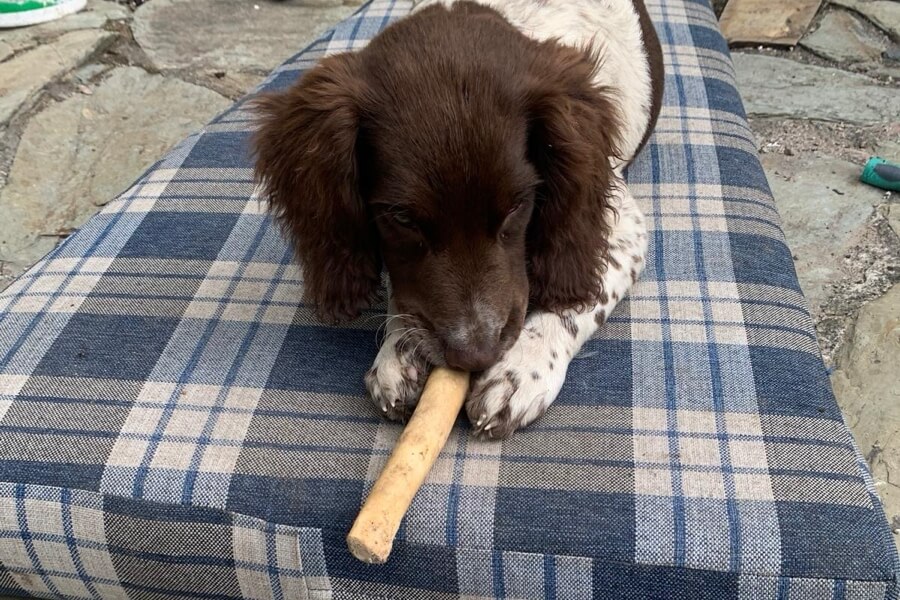
Having a selection of puppy-safe chew toys and age-appropriate natural chews gives your puppy something suitable to chew on.
Different puppies prefer different textures, so it might take a bit of trial and error to find what your puppy enjoys most and actually satisfies their urge to chew.
Our Puppy Teething Chews Bundle is a great way to introduce your puppy to a variety of natural chews with different textures, so you can find out what they enjoy.

Some good examples of natural chews for puppies include hairy rabbit ears, lamb skin rolls and cod fish skin rolls. They offer different textures and chewing experiences, so you can find what works best for your puppy. Always check the recommended minimum age and supervise chewing.
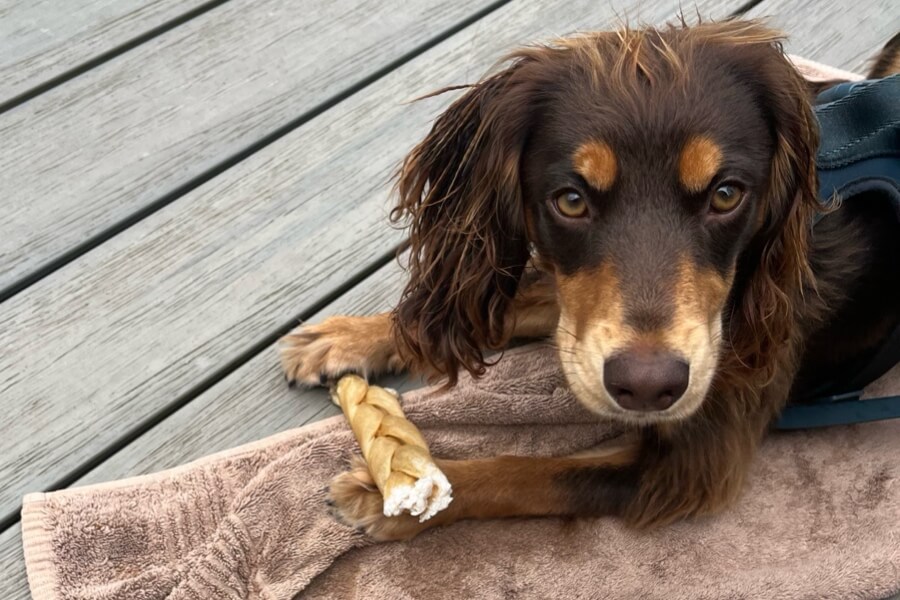
Frozen Chewing Options
Cool items can feel soothing against tender gums, making frozen foods ideal for soothing them.
Frozen carrots are a great place to start. Many dogs love carrots, and because they’re tougher than many other vegetables, frozen ones are a great option.
They can take a good few hours to freeze (3 to 5 hours depending on the size), so put them in the freezer in the morning, and they’ll be ready for an evening chewing session.
There are plenty of other fruits and vegetables to try… frozen banana, seedless watermelon, celery… and any others that your puppy already loves.
Just bear in mind that frozen foods can become very hard, so avoid giving your puppy anything that could damage their teeth. Always prepare food appropriately for their size, supervise them and remove anything that could become a choking hazard.
Choose the Right Size Chews
Anything your puppy chews should be large enough that they can’t accidentally swallow it whole.
The appropriate size depends on the puppy, not simply their age.
A 16-week-old Chihuahua and a 16-week-old German Shepherd have very different mouths.
Not sure which treats and chews are suitable for your puppy’s age? Our guide to when puppies can start having treats explains what to look for as they grow.
What Should Puppies Avoid Chewing?
We want puppies to chew but only if they’re doing it safely and chewing appropriate things.
Chewing can help with teething discomfort, but only if they’re chewing something appropriate. Otherwise, you could end up making things worse.
Things to avoid include:
- Bones
- Antlers
- Yak chews
- Rawhide chews
- Household objects
When choosing natural chews or chew toys, make sure they’re right for your puppy’s age, size and chewing strength.
A helpful rule to go by is to avoid chews that are so hard you can’t make an indentation with your fingernail.
And remember, even a chew that’s suitable for your puppy should always be given under supervision.
Puppy Teething FAQs
Most puppies begin losing their baby teeth at around three to four months old.
For most puppies, the majority of teething is finished by around six months old. Some permanent teeth may continue erupting until approximately seven months.
Puppies normally have 28 baby teeth.
Most adult dogs have 42 permanent teeth.
Yes. You may occasionally find tiny baby teeth around the house. You may also never find one because puppies frequently swallow them naturally while eating or chewing.
A very small amount can be normal. You may occasionally notice a little blood on a toy or chew. Persistent or substantial bleeding should be checked by your vet.
Teething can increase the urge to chew, but chewing is also a completely normal puppy behaviour used for exploration, play and mental stimulation.
Yes, provided they are appropriate for the puppy’s age, size and chewing style. Choose carefully, avoid excessively hard items, make sure the chew can’t be swallowed whole and supervise them.
Yes. Baby canine teeth in particular can feel surprisingly sharp. Those little needle-like teeth are temporary and will eventually be replaced by the puppy’s permanent adult teeth.
Helping Your Puppy Through Teething
Teething isn’t much fun for your hands, furniture or favourite pair of trainers, but luckily it doesn’t last forever.
To make it as comfortable and stress-free as possible for you and your puppy, give them plenty of suitable opportunities to chew, supervise whenever they are chewing and start building good dental habits while they’re young.
Cloud K9 was created for dog owners who want the best for their dogs. If it’s not natural or good for your dog, it’s not Cloud K9. Our chews and treats are made from real ingredients, naturally prepared, and never packed out with fillers or additives.
Whether you’re looking for something tasty to use for training sessions, a long lasting chew to keep them busy, or support with dental care, take a look at our natural treats and chews chosen to help dogs live their best.